

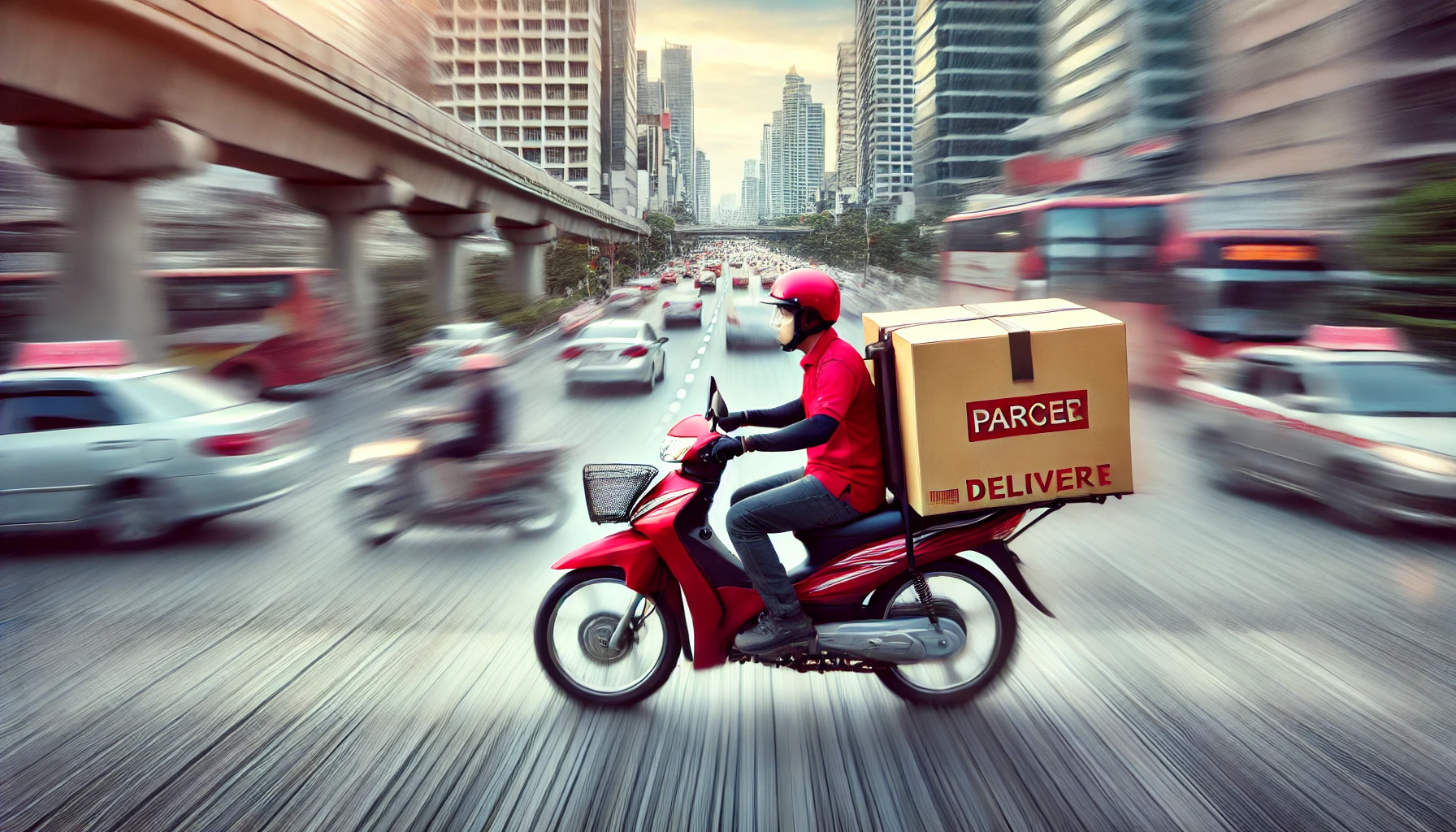
E-commerce is an ever-evolving industry where customer expectations continue to rise. Two of the most critical factors that influence buying decisions are speed and cost—particularly when it comes to shipping. The debate between fast vs. free shipping is one that every e-commerce business must consider. But what truly matters more to customers? Do they prefer quick deliveries at an added cost, or are they willing to wait longer if shipping is free?
In this cornerstone blog post, we’ll explore the psychology behind customer preferences, analyze data from leading e-commerce platforms, and offer insights into how businesses can strike the right balance between fast and free shipping.
Understanding Customer Priorities in E-commerce
To answer the question of whether customers value speed or cost more, we must first look at the factors influencing their decision-making.
1. The Psychology of “Fast” Shipping
The modern consumer is used to instant gratification. With giants like Amazon offering same-day and next-day delivery, customers have become accustomed to getting their orders almost instantly. According to surveys:
- 53% of online shoppers say that fast delivery is a major factor in their purchase decision.
- 41% of consumers are willing to pay extra for same-day delivery.
- More than 65% of customers expect orders to be delivered within two days.
These numbers clearly indicate that shipping speed is a major priority, particularly for impulse buyers and time-sensitive purchases.
2. The Power of “Free” Shipping
While speed is essential, cost-conscious customers often prioritize free shipping. Research suggests:
- 75% of customers expect free shipping on orders over a certain threshold.
- 61% of shoppers will abandon their cart if extra costs, including shipping fees, are too high.
- Customers perceive free shipping as an added value that makes them more likely to complete a purchase.
This data suggests that while speed is appealing, high shipping costs are a major deterrent for many shoppers.
The Case for Fast Shipping
Fast shipping has revolutionized the way people shop online. Companies like Amazon Prime have set a high standard, with free 1-day or 2-day shipping becoming the norm for millions of customers. Let’s examine the key benefits of fast shipping.
1. Increased Conversion Rates
When customers see that they can receive their product quickly, they are more likely to complete the purchase. E-commerce giants have found that offering same-day or next-day shipping increases conversion rates by up to 20%.
2. Competitive Advantage
For businesses, offering faster shipping than competitors can be a major selling point. When a customer has multiple options for purchasing a product, they will likely choose the one that arrives the soonest.
3. Impulse Buying and Last-Minute Purchases
Fast shipping caters to impulse buyers who want instant gratification. It’s especially useful for:
- Holiday shopping (last-minute gifts)
- Essential goods (medical supplies, groceries)
- Fashion trends (outfits for an upcoming event)
When time is a factor, customers are willing to pay extra for expedited shipping.
4. Higher Customer Satisfaction and Loyalty
When customers receive their orders faster than expected, it enhances their overall shopping experience. A positive delivery experience often translates to repeat purchases and higher brand loyalty.
The Case for Free Shipping
Despite the appeal of fast shipping, free shipping remains one of the strongest motivators for online shoppers. Here’s why:
1. Reducing Cart Abandonment
One of the top reasons customers abandon their carts is unexpected shipping costs. When free shipping is offered, the likelihood of completing a purchase increases significantly.
2. Perceived Value and Customer Trust
Customers love the idea of getting something for “free.” Even if businesses slightly increase product prices to cover shipping costs, the perception of free shipping makes customers feel like they are getting a better deal.
3. Encourages Higher Order Value
Many online retailers implement a free shipping threshold (e.g., free shipping on orders above $50). This strategy encourages customers to add more items to their carts to qualify for free shipping, increasing average order value (AOV).
4. Increased Customer Retention
Shoppers are more likely to return to stores that consistently offer free shipping. In fact, memberships like Amazon Prime thrive on the appeal of “free” shipping, even though customers pay a subscription fee.
Fast vs. Free: Which Matters More?
While both factors play a crucial role in e-commerce success, the choice between fast and free shipping depends on several factors:
1. Product Type
- Fast shipping is essential for:
- Electronics
- Fashion and apparel
- Perishable goods (groceries, medicines)
- Last-minute gifts
- Free shipping works best for:
- Home decor and furniture
- Books and educational materials
- Bulk orders or wholesale items
2. Customer Demographics
Different customers have different priorities:
- Young shoppers (Gen Z and Millennials) tend to prioritize fast shipping.
- Older shoppers and budget-conscious consumers may prefer free shipping to save money.
3. Business Model
- Premium brands can offer fast shipping as a paid option while maintaining exclusivity.
- Budget-friendly brands may focus on free shipping to attract cost-sensitive customers.
Striking the Right Balance: Hybrid Shipping Strategies
Instead of choosing between fast or free shipping, many businesses adopt a hybrid strategy to cater to different customer needs.
1. Tiered Shipping Options
Offer multiple choices at checkout:
- Standard (free) shipping: 5-7 days
- Express shipping: 2-3 days for a small fee
- Same-day or next-day delivery: At a premium price
This allows customers to choose what matters most to them.
2. Free Shipping Thresholds
Encouraging larger purchases by offering free shipping for orders over a certain amount can help increase revenue while covering shipping costs.
3. Membership Programs
Consider offering a subscription-based model, similar to Amazon Prime, where members get free and fast shipping in exchange for a monthly or yearly fee.
4. Local Fulfillment Centers
Retailers can invest in regional warehouses or partner with third-party logistics providers to ensure faster deliveries without high costs.
Conclusion
So, which matters more—fast shipping or free shipping? The answer depends on your target audience, product type, and business goals.
- If you cater to impatient, high-spending customers, fast shipping should be your priority.
- If you target cost-conscious shoppers, offering free shipping will likely drive more sales.
- The best strategy is to provide both options—let the customer decide.
By testing different shipping strategies, analyzing customer data, and optimizing logistics, e-commerce businesses can create a shipping policy that maximizes both customer satisfaction and profitability.
What’s Next for Your E-commerce Store?
Are you struggling to decide on the best shipping strategy for your business? Consider testing both fast and free shipping in different campaigns and tracking results. With the right approach, you can increase conversions, retain more customers, and stay ahead of your competition.
Would you choose fast or free shipping when shopping online? Let us know in the comments!


